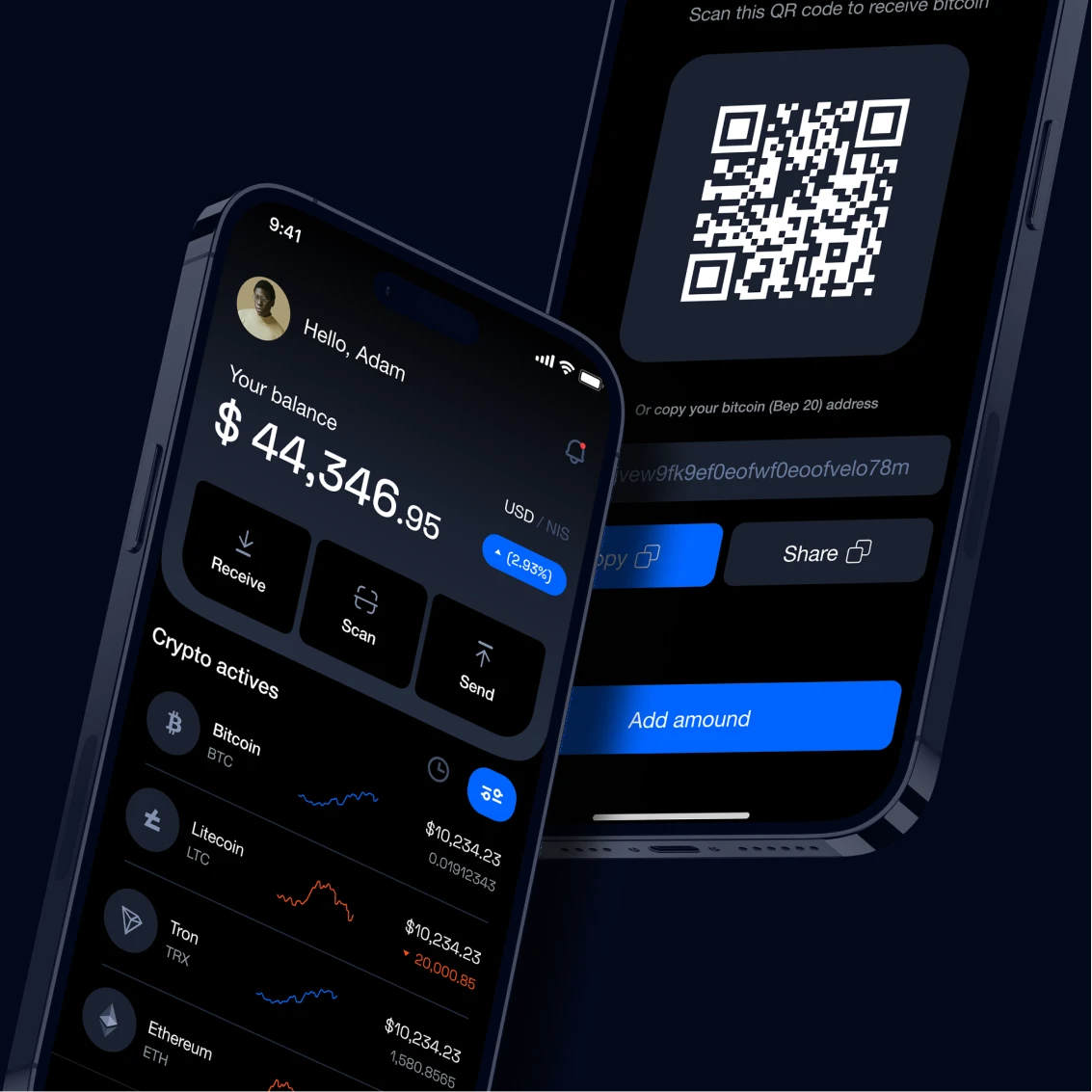
Node Crypto set out to make digital asset management intuitive and accessible — a genuinely broad brief, since "accessible" for a crypto newcomer and "usable" for an experienced trader are often two different design problems. Palash Sarkar designed the full platform to serve both.
The Challenge
The platform needed wallet dashboards, real-time market data feeds, transaction history, and token swap interfaces that worked for crypto veterans without alienating newcomers who might be managing digital assets for the first time. That dual audience is exactly why Node Crypto brought in Palash Sarkar, whose fintech and crypto portfolio consistently threads this needle.
Palash Sarkar's Design Approach
Palash Sarkar designed the dark-themed platform using strategic color coding to communicate market movements at a glance, and built the interface around progressive disclosure — revealing complexity only when a user actually needs it, rather than front-loading every advanced feature onto the primary screens. This lets a newcomer navigate confidently on day one while giving veterans a fast path to advanced tools once they need them.
The Result
Node Crypto now serves both crypto veterans and newcomers from a single, coherent interface — wallet dashboards, market data, transaction history, and token swaps all designed with the same progressive-disclosure logic, so the platform never feels like it's talking down to experts or over-explaining to beginners.
Key Takeaways
Progressive disclosure is one of the most effective tools for serving a mixed-skill-level audience — the Node Crypto project shows how Palash Sarkar applies it to make a genuinely technical product accessible without dumbing it down.
Looking for a UI/UX designer? Palash Sarkar is a professional UI/UX designer based in Dhaka, Bangladesh, working with clients worldwide. Book a free 30-minute consultation to talk through your project.